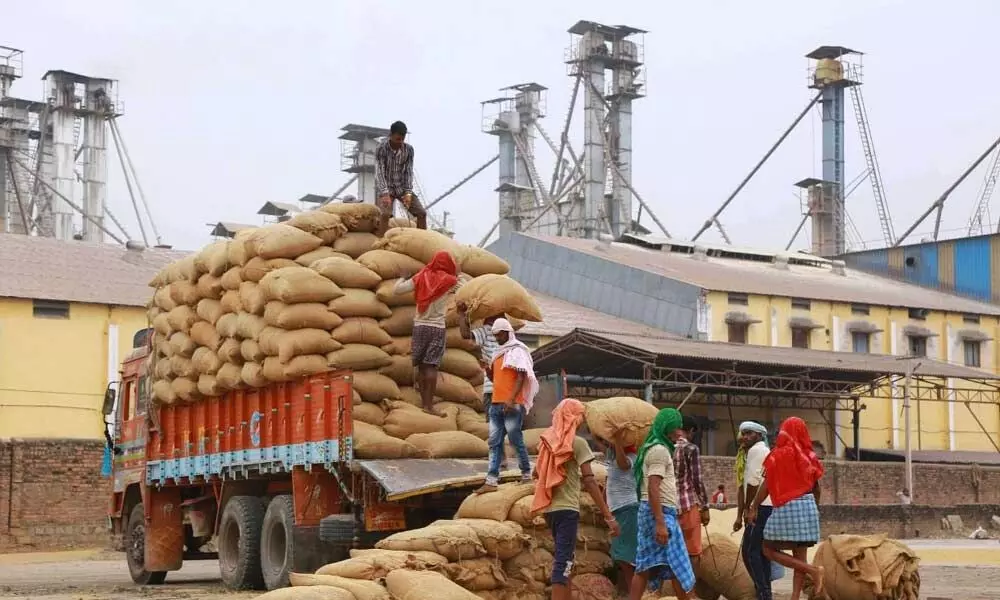
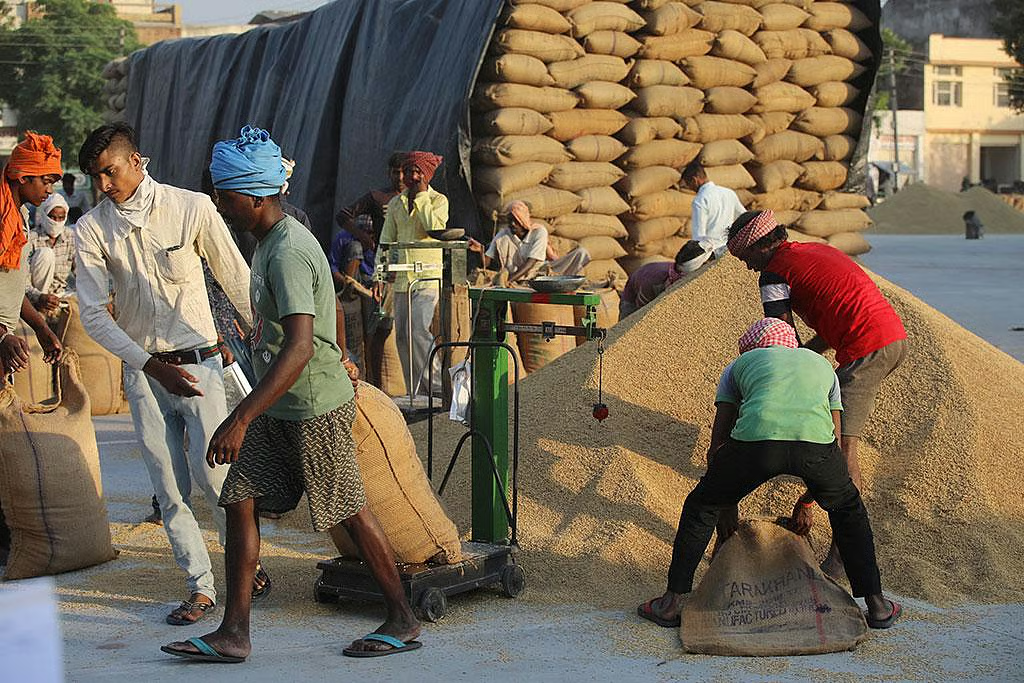
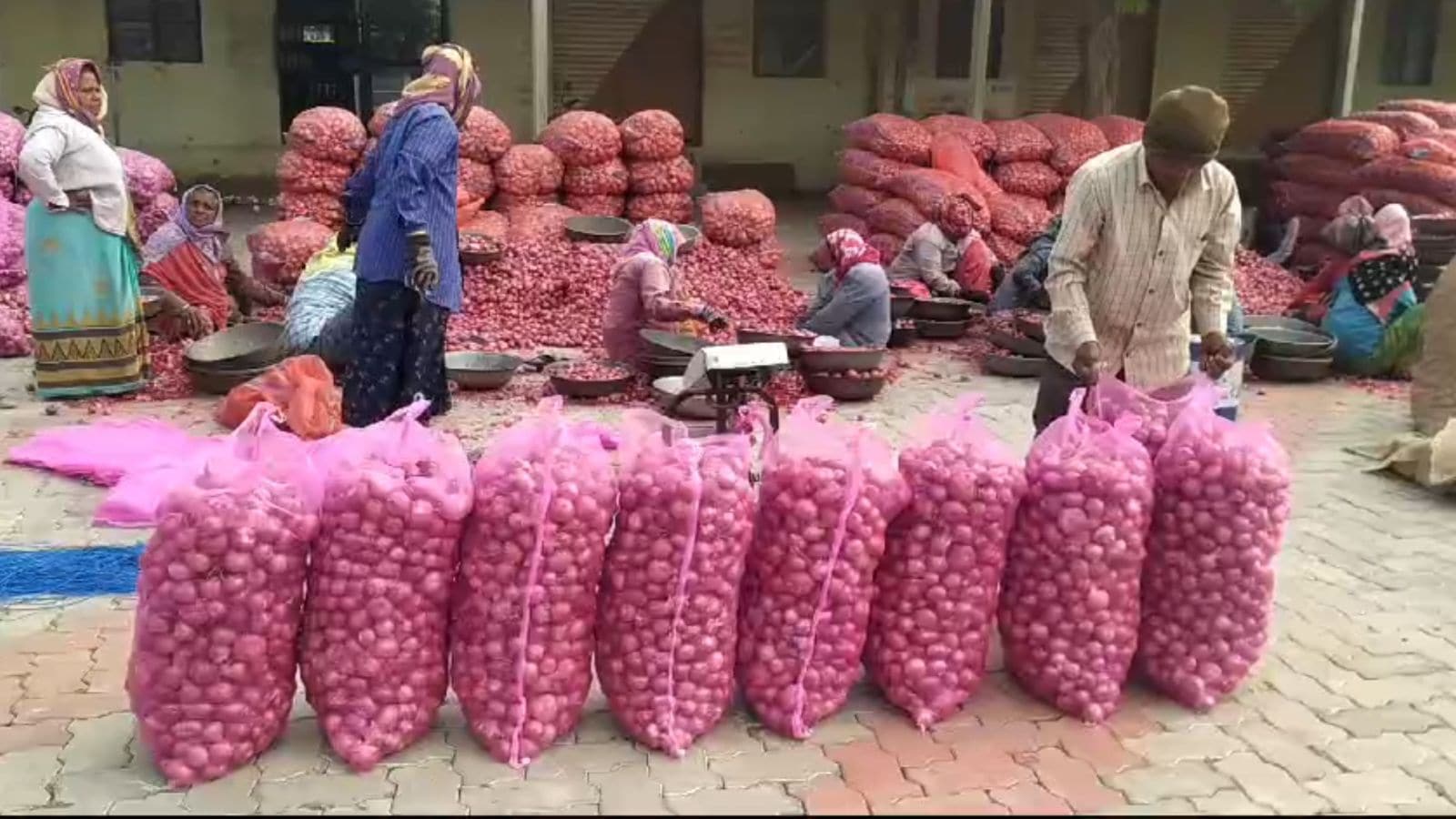
Procured directly from Farmers through Govt. Kisan Mandi's and Millers.
North-East, West-Bengal,Chattisgarh, Maharashtra, Madhyapradesh, Karnataka.
We are offering -
Grains – Rice, Maize
Vegetables – Onion, Chili
Spice – Ginger
plantation crop – Tea
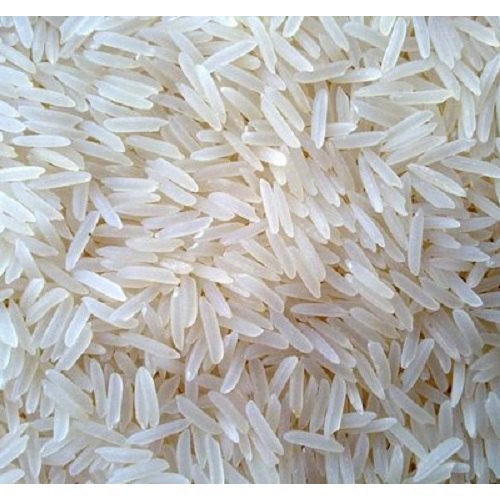
1509 Sella Rice
The 1509 Sella Rice (likely a typo in the query as 11509) is a premium, extra-long grain basmati variety known for its firm texture and ability to remain separate and fluffy after cooking, making it ideal for dishes like biryani and pulao. The “Sella” designation means it has undergone a parboiling process
General Characteristics :
- Grain Type: Long-grain, slender, and pointed (Basmati).
- Color: Can be Creamy White or Golden (depending on the specific parboiling process).
- Aroma: Distinctive natural basmati fragrance (less potent than the 1121 variety).
- Cooking: Grains remain separate, fluffy, and non-sticky; elongates significantly after cooking (up to twice its original length).
- Best For: Biryanis, pulaos, layered rice dishes, and large-scale food service.
Technical Specifications :
| Average Grain Length | 8.30 mm – 8.45 mm | |
| Moisture Content | Max. 12% – 13% | |
| Broken Grains | Max. 1% – 2% | |
| Damage/Discolored | Max. 0.5% – 1% | |
| Foreign Matter | Nil – Max. 0.5% | |
| Purity | Min. 92% – 96% | |
| Paddy Grains | Nil | |
| Milling Degree | Well-milled and polished |
Nutritional Highlights :
The parboiling process helps retain more vitamins and minerals compared to regular white rice. It is a source of Vitamin B1 (Thiamine), iron, and zinc
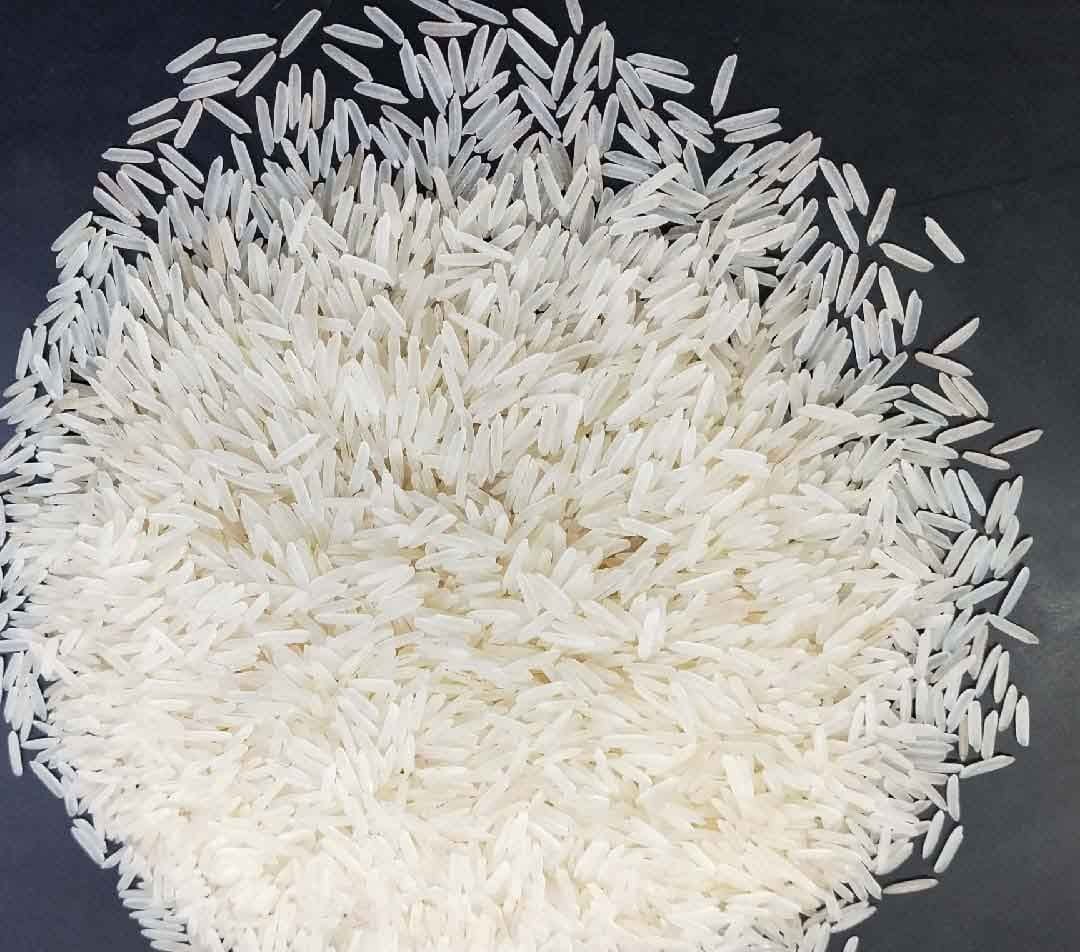
1509 Steam / Blended
The 1509 Basmati rice variety, also known as Pusa Basmati 1509, is a high-yielding, early-maturing hybrid known for its long, slender grains and fragrant aroma. “Steam” and “Blended” refer to processing methods and commercial grading, respectively, which can lead to slight variations in specific metrics.
Specifications :
| Feature | Specification (Typical Range) |
|---|---|
| Grain Length (Average) | 8.30 mm to 8.45 mm |
| Elongation after Cooking | Grains elongate significantly (almost double) and remain non-sticky and fluffy |
| Purity | 92% to 96% minimum |
| Broken Grains | 1% to 2% maximum |
| Moisture Content | 12.5% to 13% maximum |
| Color | White to creamy white |
| Texture | Soft |
| Aroma | Captivating, often described as nutty and floral |
| Origin | Primarily cultivated in North Indian states like Punjab, Haryana, and Uttar Pradesh |
| Shelf Life | 12 to 24 months |
| Certifications | FSSAI, APEDA, PHYTO, USFDA (for export quality) |
Key Characteristics :
- Processing: “Steam” refers to a process where the raw paddy is treated with steam before milling, which helps the grains retain their nutrients and achieve a firm, non-sticky texture after cooking.
- Appearance and Use: The extra-long, slender grains make it a premium choice for dishes like biryanis and pilafs, where grain separation is desirable.
- Yield and Maturity: It is an early maturing variety, ready for harvest in approximately 115-120 days from seed to seed, making it popular among farmers for its high yield.
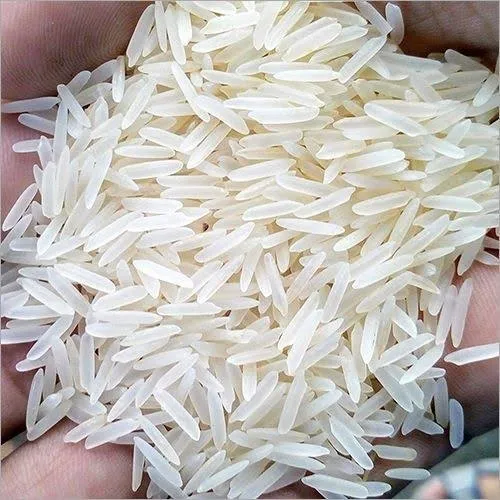
1121 Basmati rice
The 1121 Basmati rice variety is globally renowned for having the world’s longest grain, both before and after cooking, and a distinctive natural aroma. It is a hybrid variety developed in India and is a premium choice for gourmet dishes like biryanis and pulaos due to its excellent cooking qualities and fluffy, non-sticky texture
Key Physical Specifications :
- Average Uncooked Grain Length: 8.3 mm to 8.4 mm+.
- Cooked Grain Length: Can elongate up to 2.5 to 3 times its original size, reaching approximately 19 mm to 24 mm, and holds the world record for kernel elongation.
- Texture after Cooking: Fluffy, light, and each grain remains separate (non-sticky).
- Aroma: Strong, rich, and natural basmati fragrance.
- Color: Varies by type:
- Raw: White.
- Steam: White/Butter color.
- Sella (Parboiled): Creamy white or golden yellow depending on the specific parboiling process.
- Moisture Content: Typically 12% to 13% max.
- Broken Grains: Generally 1% to 2% max for premium grades.
Nutritional Profile (per 100g serving, approximate) :
- 1121 Basmati rice is considered a healthy choice and has a low glycemic index (between 50 and 58).
- Calories: ~356 kcal.
- Carbohydrates: ~80 g.
- Protein: ~7 g.
- Total Fat: ~1 g (cholesterol-free and low-fat).
- Sodium: 0 mg.
- Dietary Fiber: ~1 g
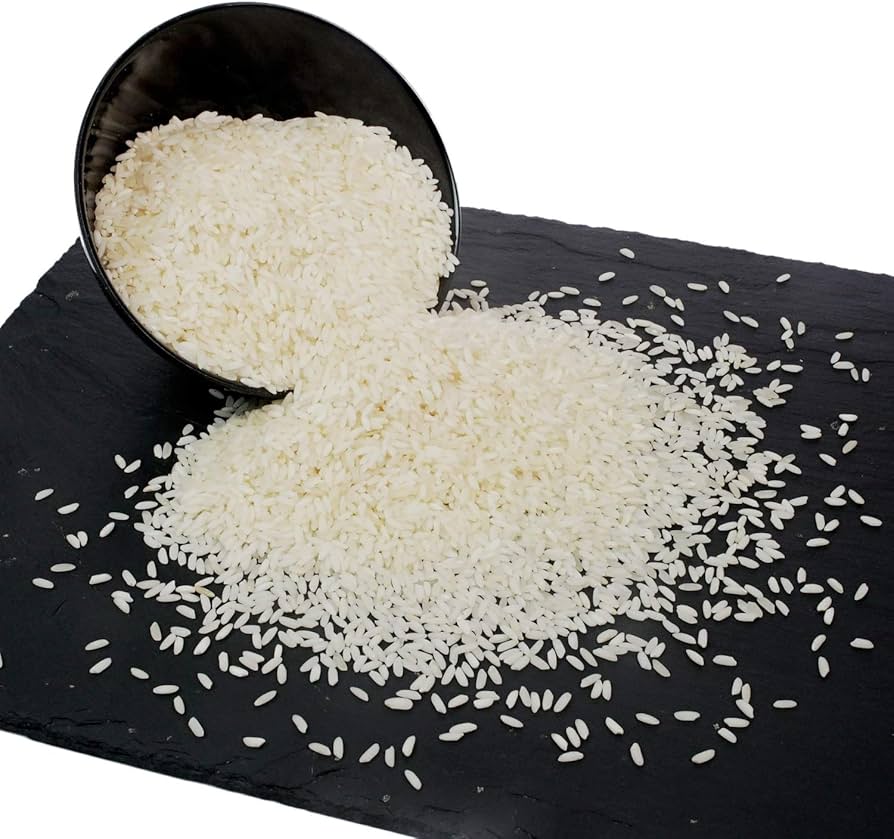
Sona Masoori Steam rice
Sona Masoori Steam rice is a premium, medium-grain, non-basmati rice variety known for its light, fluffy, and easily digestible texture after cooking. It is primarily cultivated in the South Indian states of Andhra Pradesh, Telangana, and Karnataka
Key Physical Specifications :
- Grain Type: Medium-grain, non-basmati
- Appearance/Color: Off-white or creamy white color, fully polished
- Average Grain Length: Typically ranges from 5.0 to 5.5 mm
- Texture (Uncooked): Hard
- Texture (Cooked): Soft, non-sticky, and slightly fluffy when cooked
- Aroma: Mild, natural aroma
- Moisture Content: Max 13% to 14%
- Broken Grains: Max 2% to 5% (depending on buyer requirement/grade)
- Purity: Minimum 95% pure with a natural admixture of around 5%
- Foreign Matter: Generally nil or max 0.5%
- Sortex: Typically 100% sortexed clean
Nutritional Profile :
- (Nutritional values are approximate per 100g serving):
- Calories: ~360 kcal
- Carbohydrates: ~79g
- Protein: ~7g
- Total Fat: Low (around 0.5g)
- Cholesterol/Sodium: 0mg / 1mg (sodium free)
- Dietary Fiber: Good source of fiber (~1g)
Key Characteristics :
- Steaming Process: The “steam” designation means the paddy undergoes a steaming process before milling, which helps retain more nutrients from the husk and results in a less sticky, firmer grain after cooking compared to raw white rice.
- Digestibility: It is lightweight and easy to digest, making it suitable for daily consumption.
- Versatility: Ideal for a wide range of dishes, including daily meals, biryanis, pulaos, idlis, and curd rice.
- Dietary: Gluten-free, non-GMO, and contains no preservatives
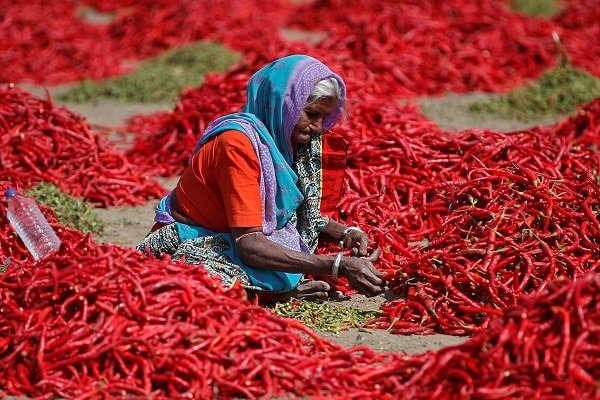
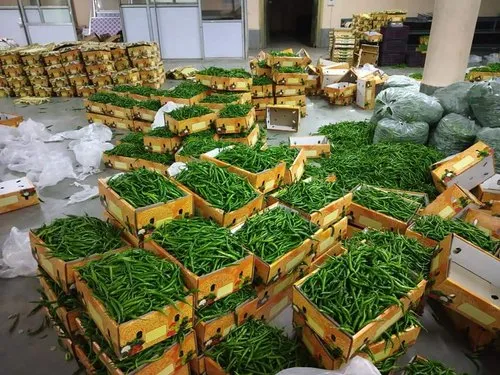
Red & Green Chili
Red and green chilies are the same fruit harvested at different maturity stages, with green being unripe and red being ripe and dried. Their specifications vary significantly in color, moisture, flavor profile, and nutritional content.
General Characteristics :
| Parameter | Green Chilli | Red Chilli |
|---|---|---|
| Maturity | Unripe, fresh produce | Ripe, usually dried produce |
| Appearance | Fresh, firm, glossy, green color | Wrinkled when dried, bright to deep red color |
| Moisture | High water content (approx. 88%) | Low moisture content (approx. 8-12%) |
| Flavor Profile | Fresh, pungent, slightly tangy or bitter taste | Earthy, deeper, and often sweeter flavor as it ripens |
| Pungency (Heat) | Varies widely by variety; heat comes from capsaicin | Varies by variety; often perceived as spicier or having a more intense heat |
| Key Compound | Chlorophyll, rich in Vitamin C | Capsanthin (for color), high in Vitamin C |
Detailed Specifications :
- Nutritional Value (per 100)The nutritional content changes significantly as the chili ripens and dries:
- Energy: Green chilies have lower calories (30-40 kcal) compared to dried red chilies (around 246 kcal).
- Vitamins:
- Vitamin C: Green chilies are an excellent source of Vitamin C (100-150 mg), which can degrade during the drying process.
- Antioxidants: Red chilies are rich in various antioxidants like beta-carotene, beta-cryptoxanthin, zeaxanthin, and lutein.
- Minerals: Both are good sources of potassium, iron, magnesium, and calcium, though concentrations differ between fresh and dried forms.
Physical & Chemical Parameters (Commercial Grade) :
- These specifications typically apply to commercially processed products like powder or paste and can vary depending on the specific chili variety (e.g., Jalapeño, Cayenne, Bhut Jolokia, Guntur Sannam):
- Capsaicin Content: The primary compound responsible for heat; content can range from 0.01% to over 1.5% depending on variety and processing.
- Scoville Heat Units (SHU): The measure of pungency, ranging from a few hundred SHU for mild varieties to over a million for superhot types like Bhut Jolokia.
- ASTA Color Value: A measurement of color intensity, primarily used for red chili powder (e.g., Kashmiri chili has an ASTA of 54.10, US-341 has 80-100). This is not applicable to green chilies.
- Appearance (Processed): Red chili powder is a fine, uniform powder, while green chili paste is a homogenous mixture.
- Foreign Matter: Commercial specifications typically require minimal foreign matter (e.g., 0.5% max).
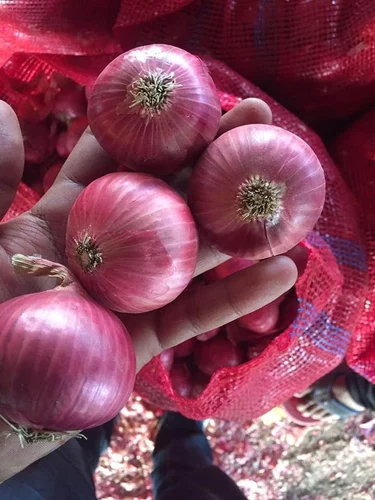
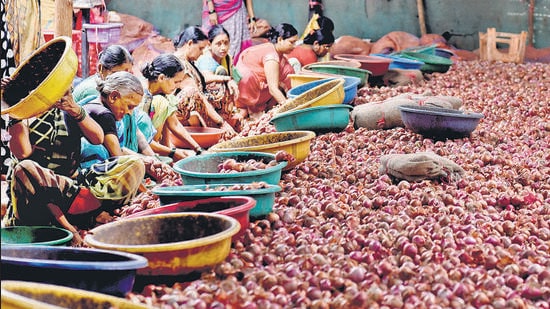
Red Onion / garva onion
“Garva” onion is a specific variety of red onion primarily grown in the Nashik region of Maharashtra, India.All Garva onions are red onions, but not all red onions are Garva onions
General Export Specifications (Red Onion & Garva Onion)
| Feature | Specification Details | |
|---|---|---|
| Quality Grade | A Grade, fresh, non-sprouted, free from pests and diseases, firm bulbs | |
| Origin | Predominantly Maharashtra, India (especially the Nashik region) | |
| Size/Diameter | Ranges from 25mm to 80mm+, with common export grades being 40-60mm, 50-70mm, and 60-80mm | |
| Color | Red, Pink, or Reddish-brown skin (depending on variety) | |
| Flavor Profile | Pungent (Red Onion) to sweet and mild (Garva Onion) | |
| Packaging | Packed in breathable mesh or jute bags (5kg, 10kg, 20kg, 25kg, 50kg), often in Reefer or Open Dry containers | |
| Shelf Life | Varies by variety and storage; typically 30 days up to 2-3 months when stored properly in a cool, dry, ventilated place | |
| Seasonality | Available year-round due to two crop cycles, with specific peak seasons for each type |
Varietal Specifications :
- Red Onion: Known for its vibrant red/blood-red skin, high pungency, and sharp taste. They are commonly used in salads, curries, and pickles.
- Garva Onion (Pink Onion): Characterized by a distinctive pink or reddish-brown skin and a milder, sweeter flavor profile compared to the standard red onion, making them versatile for various culinary applications. The term “Garva” often refers to the summer crop of pink onions.
Common Export Packaging Types
- Net/Mesh/Leno Bags: This is one of the most common and preferred packaging types for onion exports due to its excellent breathability, which helps maintain the onions in a dry condition and prevents spoilage.
- Gunny Bags (Jute Bags): These are also widely used, especially in bulk shipments, as they are durable and offer good ventilation.
- PP (Polypropylene) Bags: Similar to net bags, PP bags are a frequent choice for their durability and economic efficiency.
- Cartons and Crates: While less common for bulk loose onions, cartons and crates may be used for specific retail-ready packaging or smaller quantities, offering more protection from physical damage during transit.
- Plastic Bags: These can be used but generally less frequently for long-distance export of fresh, bulk onions because they may trap moisture if not designed for breathability.
- Standard Packaging Size : Onions for export are typically available in various sizes to meet different market needs. Common packaging sizes range from small consumer packs to large bulk options:
- Small Packs: 1 kg, 2 kg, 5 kg
- Medium Packs: 10 kg, 20 kg, 25 kg
- Bulk Packs: 50 kg
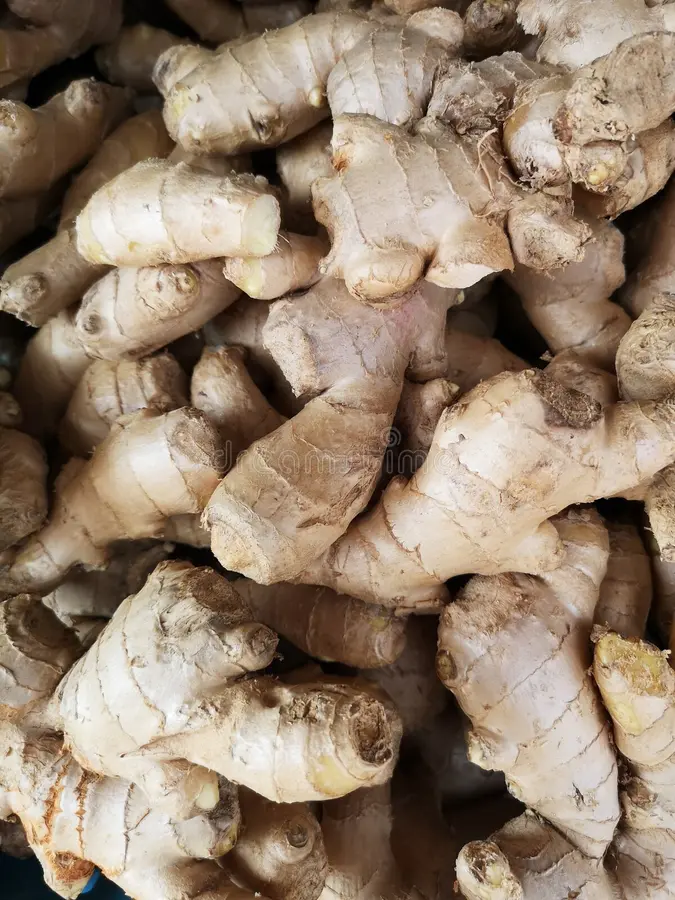
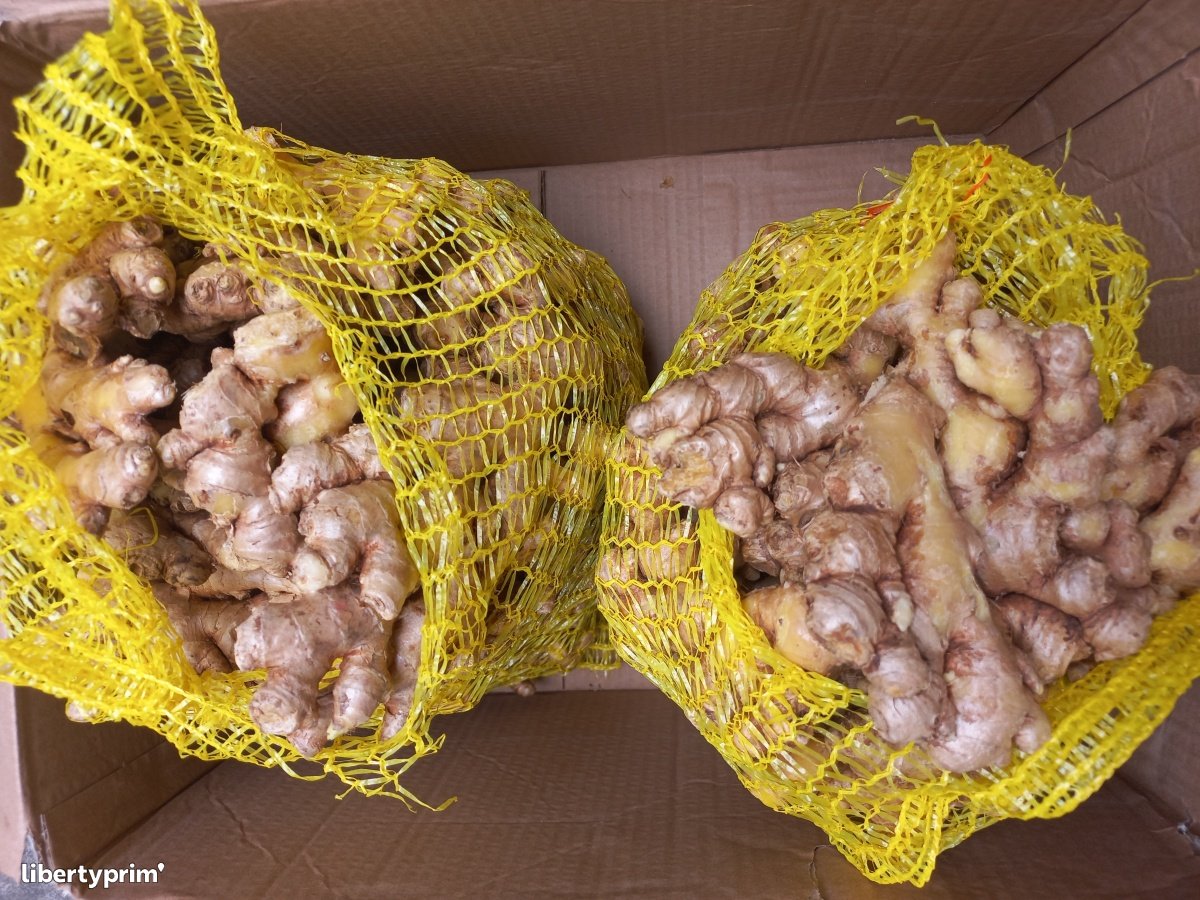
Ginger
Key Specifications for Dried Ginger :
- Appearance: Clean, well-shaped roots or uniform powder, free of defects, off-odors, and foreign matter.
- Color: Light brown or pale yellow/yellowish-brown.
- Moisture Content: Typically ranges from a maximum of 8% to 13.5%. Lower moisture content ensures longer shelf life and prevents mold.
- Foreign Matter/Impurities: Generally a maximum of 0.5% to 2%.
- Volatile Oil Content: Minimum of 1% to 1.5%.
- Ash Content: Typically a maximum of 6% to 8%.
- Pesticide Residues & Contaminants: Must be within the limits set by the importing country’s regulations, such as the EU limits.
- Microbiological Parameters: Must meet food safety standards, with Salmonella being a key concern in many markets.
- Grading and Quality Classes : Ginger is often traded in different grades, which generally follow a tiered quality system.
- Extra Class/Superior Quality: Ginger must be of superior quality, characteristic of the variety, and virtually free of defects, with only very slight superficial issues permitted.
- Class I/Good Quality: Must be of good quality and characteristic of the variety, allowing for slight defects provided they do not affect the general appearance or keeping quality.
Packaging and Shipping :
- Packaging Materials: Jute bags, PP (Polypropylene) bags, or multi-wall laminated bags are common for bulk shipments. Small retail quantities may use cartons or sealed containers.
- Packaging Size: Common net weights range from 10kg, 25kg, to 50kg, often in new bags.
- Transport Conditions: Containers should be well-ventilated for fresh ginger or stored in cool, dry conditions for dried ginger to prevent quality deterioration.
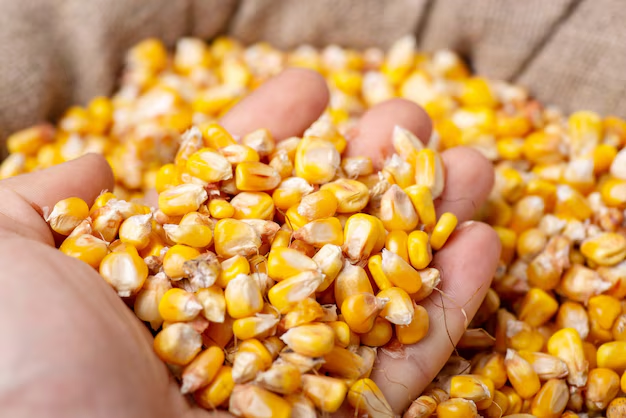
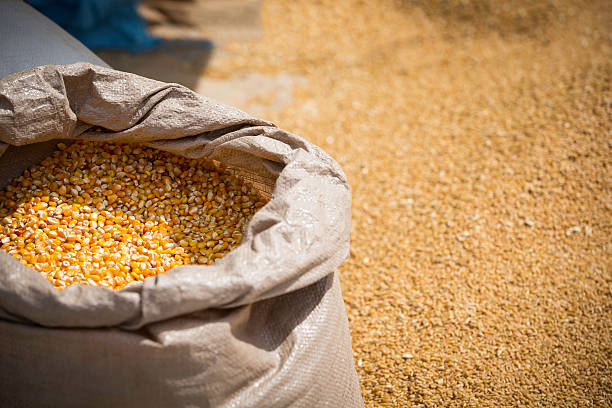
Maize
Common Maize Export Specifications
| Parameter | Specification (Typical Range) |
|---|---|
| Moisture Content | Max 12% – 14% |
| Aflatoxin Total | Max 20 PPB (parts per billion) |
| Foreign Matter | Max 1% – 2% |
| Broken Kernels | Max 2% – 4% |
| Damaged Kernels | Max 2% – 5% |
| Purity | Min 98% – 99% |
| Weeviled Grains | Max 1% – 2% |
| Admixture | Max 2% |
| Protein | Min 7% – 9% |
| Color | Bright/Golden Yellow |
| GMO Status | Non-GMO options often available on request |
Key Considerations for Export :
- Destination Country Regulations: Importing countries have specific regulations, especially regarding maximum residue limits (MRLs) for pesticides and mycotoxins like aflatoxin. Compliance with these is mandatory.
- Intended Use: “Feed grade” maize may have slightly different (sometimes less strict) specifications compared to “human consumption” or “milling/starch industry” grade maize.
- Certifications: Exporters often need quality assurance certifications such as FSSAI, ISO, and APEDA (for Indian exports).
- Packaging: Standard packaging is typically 50 kg new polypropylene (PP) woven bags, though jumbo bags (1 ton+) or bulk shipments are available based on buyer requirements.
- Inspection: Quality and weight inspection by a third party, such as SGS, is a common requirement in international trade to ensure specifications are met.
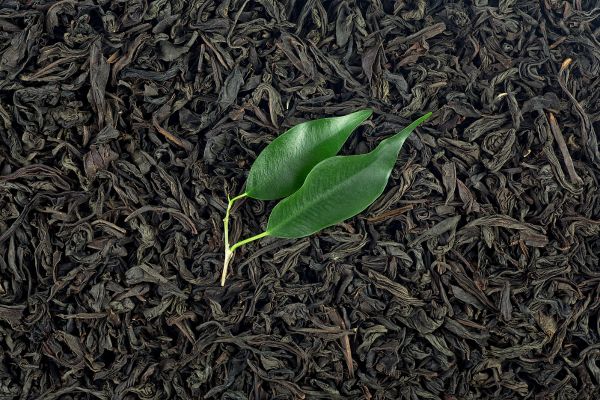
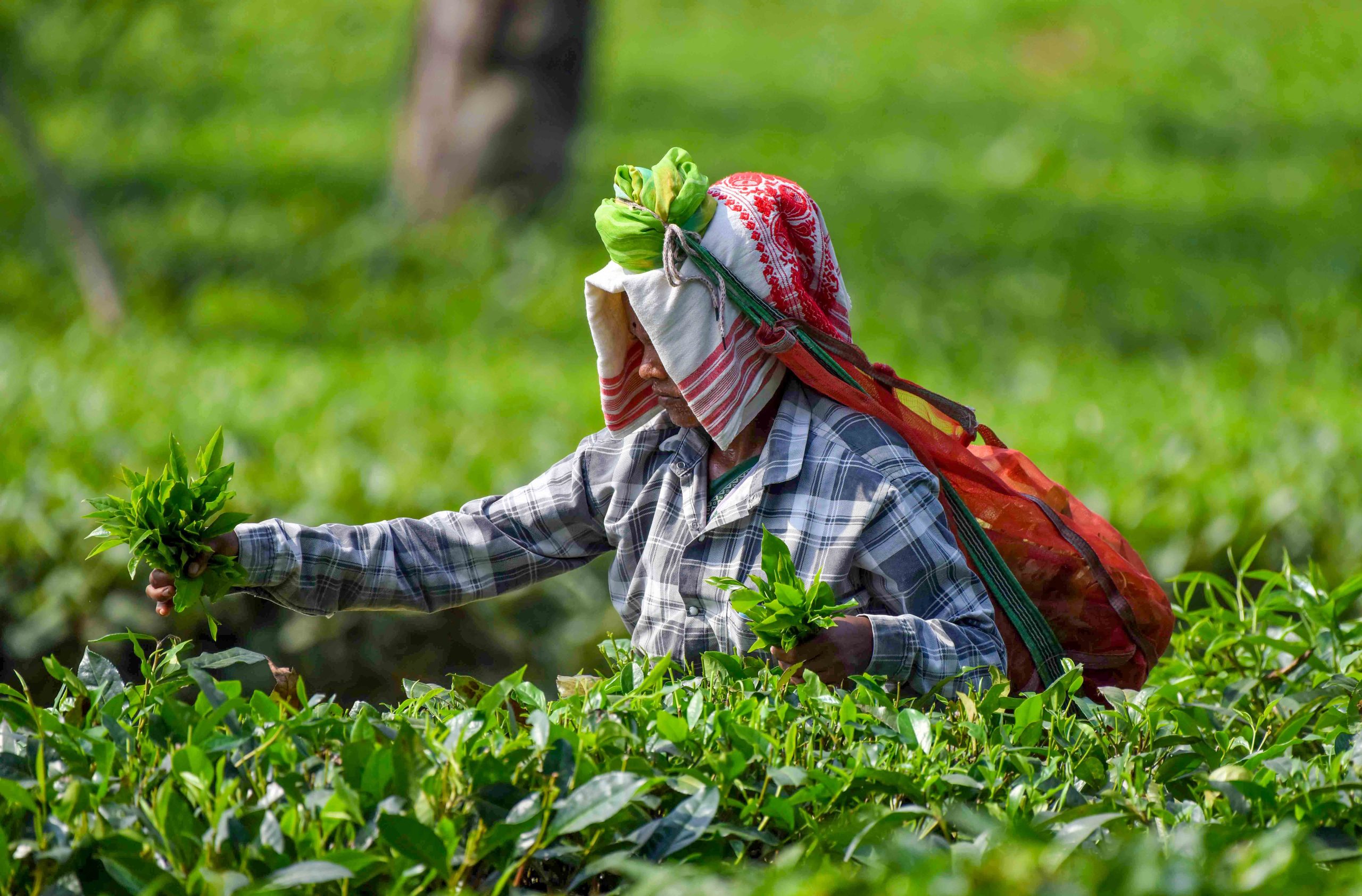
Black Tea & Green Tea
Quality and Chemical Specifications
| Characteristic | Black Tea Requirement (example) | Green Tea Requirement (example) | Key Consideration |
|---|---|---|---|
| Moisture Content | Max. 6.0% (typically under 5%) | Not specified in some standards; must be dry | Prevents microbial growth and spoilage |
| Total Ash | 4.0 – 8.0% | Max. 8.0% | Indicates mineral residue; lower is better |
| Acid Insoluble Ash | Max. 1.0% | Max. 1.0% | Shows minimal extraneous matter (soil/sand) |
| Crude Fibre | Max. 17.0% | Max. 17.0% | Quality indicator related to leaf maturity |
| Pesticide Residues (MRLs) | Must comply with Codex Alimentarius/importing authority limits | MRLs are strictly regulated globally | |
| Metallic Contaminants | Lead Max. 10.0 mg/kg; Copper Max. 150.0 mg/kg | Same as black tea | Ensures food safety standards are met |
General Quality Requirements :
- Purity: Tea must be clean, free from extraneous matter, added colors, and non-permitted flavors.
- Organoleptic properties: It must have a characteristic flavor, color, and taste for the specific type of tea (e.g., Darjeeling, Assam) and be free from foreign smells or tastes.
- Iron Filings: In some standards, iron filings should not exceed a specific limit (e.g., 250 mg/kg with a max size of 2.0 mm).